Buying at the Peak of the Hype
Thematic ETFs typically launch when a trend has already captured public imagination. By the time an asset is labeled disruptive innovation—cloud computing in 2011, for instance—institutional investors and early adopters have already driven up the underlying stocks.
I'm the kind of investor who scours the field before committing. But with thematic funds, by the time I'm ready to buy in, valuations have often hit the stratosphere. The question I have to ask myself: Am I buying into fundamentals, or am I buying into hype?
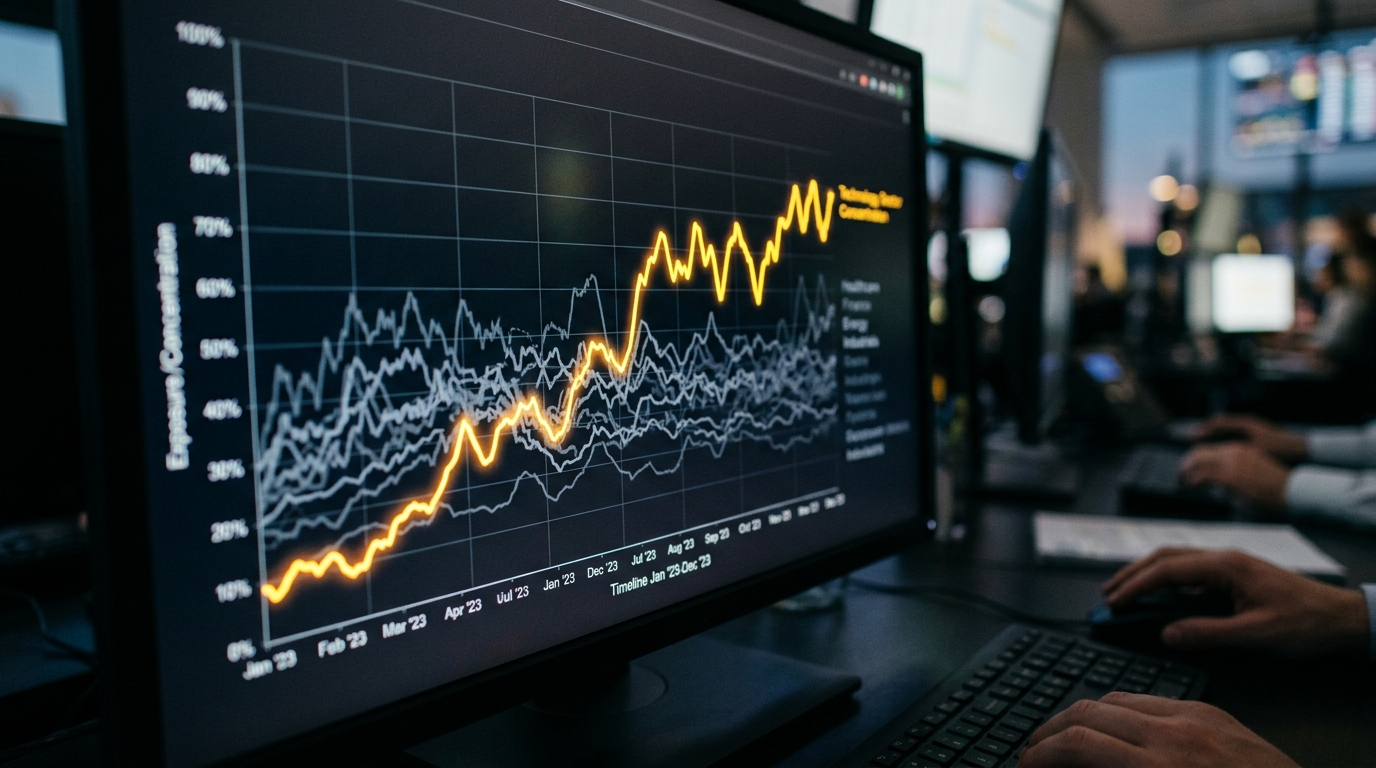
Overconcentration: All Eggs in One Basket
Let's say an ETF tracks cybersecurity or artificial intelligence. I can have all the faith in the world in that sector's success, but the thought of diving in still makes me nervous.
Even if a cybersecurity ETF holds 50 stocks, all 50 could decline simultaneously if the sector falls out of favor. On the other hand, if I own a broad-market ETF and cybersecurity represents only a slice of the basket, the risk is greatly reduced. Even if cybersecurity stocks end up in the dumpster, other securities in the fund can keep my portfolio afloat.
Hidden Costs Add Up
- Broad-market ETF expense ratio: 0.03%
- Thematic ETF expense ratio: 0.45%–0.75%
Because of the specialized research and management required to keep thematic funds running, they tend to have higher expense ratios than broad-market ETFs. That difference—0.03% versus 0.45% to 0.75%—compounds over time and quietly eats into returns.
Increased Complexity: What Am I Actually Buying?
I understand this may be a "me problem," but thematic ETFs sometimes make knowing what I'm buying harder than it needs to be. Purchase a thematic AI ETF, for example, and depending on its structure, you might end up holding a hodgepodge of companies tangentially related to AI—data analytics, software development, financial services, telecommunications firms.
The onus is always on me to check under the hood long enough to understand an ETF's underlying holdings. But I find it overwhelming to investigate each tangentially related company, particularly when I don't immediately understand why a particular company was included.
My Solution: Stick with the Broad Market
As I come to terms with my feelings toward thematic ETFs, I continue to invest in broad-market funds. One of my favorites tracks the S&P 500, and what I appreciate most is how it lets me buy stock in sectors that have entire thematic ETFs dedicated to them—without putting all my eggs in one basket.
FAQ
Are thematic ETFs ever a good idea?
They can be—if you have high conviction in a sector, understand the holdings deeply, and are willing to accept both higher costs and higher risk. But for most investors building long-term portfolios, broad-market funds offer better diversification and lower fees.
What's an example of a broad-market ETF?
Funds that track the S&P 500 or total market indexes are classic examples. They offer exposure to hundreds or thousands of companies across multiple sectors, reducing single-sector risk.
How do I know if I'm buying at the peak?
If a thematic ETF launches alongside breathless media coverage and sky-high valuations, that's a red flag. Look at price-to-earnings ratios, recent price run-ups, and whether institutional money has already piled in.
This content is for informational purposes only and does not constitute investment advice. All investing involves risk, including the possible loss of principal. Past performance does not guarantee future results. Consult a qualified financial advisor before making investment decisions.