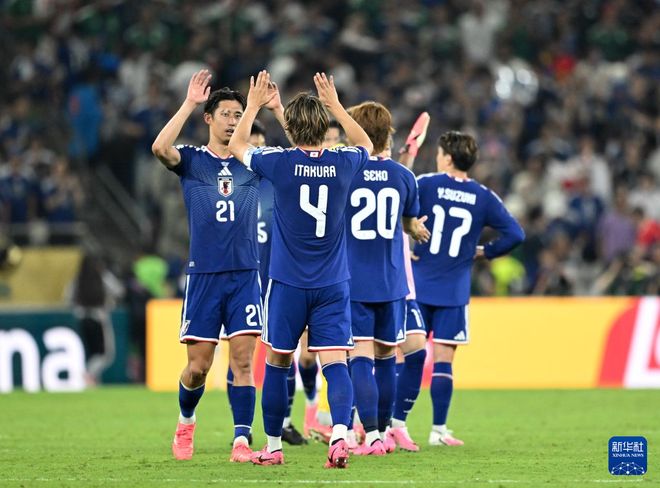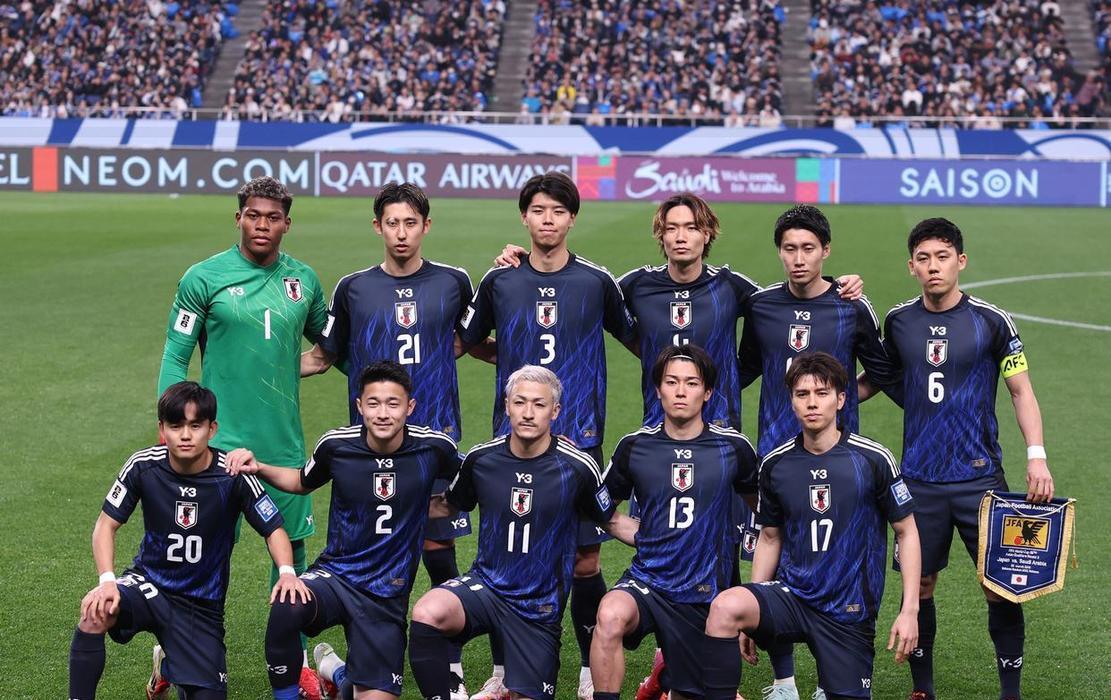
The results of these two crucial battles directly impacted the qualification landscape for the entire group.
Click below to view the complete pre-match analysis from OpenScore.
As of June 2026, Japan's record in Group C is 4 wins, 2 draws, and 1 loss in 7 matches, accumulating 14 points and currently ranking second in the group. Saudi Arabia leads the standings with 15 points, followed closely by Australia with 13 points. Looking at the remaining schedule, Japan still needs to host Bahrain and Indonesia, and travel to face Australia and Saudi Arabia. Every match will be a tough battle, allowing no room for carelessness. Reviewing Japan's recent performance, the most striking aspect is their noticeable lack of creativity in attack. In the 7 matches played so far, Japan has scored a total of 9 goals, averaging only 1.3 goals per game. This is clearly unsatisfactory for a team aiming for the World Cup.

Especially against well-organized defenses, the Japanese team often struggles to find scoring opportunities. Injuries to key midfielders have severely hampered the team's overall performance. Key defensive midfielder Wataru Endo suffered a muscle strain during training last month and is expected to miss the next two to three weeks. His absence significantly weakens Japan's midfield interception and playmaking abilities. In the match against Bahrain, Japan's midfield control was noticeably reduced without Endo, with only 42% possession – their lowest in nearly a year. Defensive problems are equally significant. In seven matches, Japan conceded six goals, three of which came against Saudi Arabia. Saudi Arabia's Salim al-Dusari scored twice in that game, almost single-handedly defeating Japan. Statistically, Japan has a clear weakness in defending aerial balls and set pieces, with opponents converting 30% of their corner kicks and free kicks – far exceeding normal levels.
The team with the toughest chance of advancing from the World Cup has emerged: Japan. After advancing from the group stage, head coach Hajime Moriyasu's tactical arrangements have been questioned. Japan's formation has been inconsistent, changing too frequently against different opponents. They used a 4-2-3-1 formation against Australia, then switched to a 3-4-2-1 against Saudi Arabia; this tactical inconsistency has made it difficult for the players to adapt.
The changing positions of star striker Takefusa Kubo in different formations have left him bewildered, and his shooting attempts in the last three games were 2, 1 and 0 respectively, showing a significant decline in efficiency.
In terms of personnel, the Japanese team has a good reserve of players in every position. At goal, there are experienced Eiji Kawashima and promising young player Ayasu Suzuki to choose from; in defense, Maya Yoshida and Takehiro Tomiyasu remain the backbone; in midfield, apart from Wataru Endo's injury, Kyogo Furuhashi and Aoi Tanaka are in good form; and while Yuya Osako is getting older, his experience and instinct for attack are still commendable.
These players often underperform for their national teams compared to their clubs. This is related to a long-standing problem in Japanese football: outstanding individual player ability, but insufficient teamwork and chemistry. Players playing in Europe's top five leagues make up over 60% of the team, but their chemistry hasn't met expectations. They still couldn't escape the path of elimination; their quarter-final dreams shattered!

In recent years, the Japan Football Association has increased its investment in its youth training system to improve the national team's performance. The development of youth teams at all levels has become increasingly comprehensive, and the U23 national team has performed well in tournaments such as the Asian Games. However, judging from the senior national team's results, these efforts have not yet fully translated into actual fighting power.
Analyzing the standings, Japan needs at least 18 points to secure qualification from the group stage. This means they must win at least four of their remaining five matches. Considering their away games against Australia and Saudi Arabia, this goal will not be easy to achieve.
While Australia's overall strength has declined somewhat, their home advantage should not be underestimated. They maintain a win rate of over 70% at ANZ Stadium in Sydney, and are unbeaten in their last three home matches against Japan (2 wins, 1 draw). If Japan fails to secure points away from home, they could very well miss out on direct qualification.
Saudi Arabia is another formidable opponent. They have shown a completely new look since changing coaches; the European tactical philosophy brought by new head coach Renard has revitalized the team. With key players like Salim al-Dousari and Salem al-Dawasari in excellent form, Saudi Arabia is fully capable of stopping Japan at home.
While Bahrain and Indonesia are relatively weaker opponents, football matches are never simply a matter of strength versus weakness. Bahrain's home form should not be underestimated; their record against Japan at home over the past five years is 1 win, 1 draw, and 1 loss, indicating they are not at a significant disadvantage.
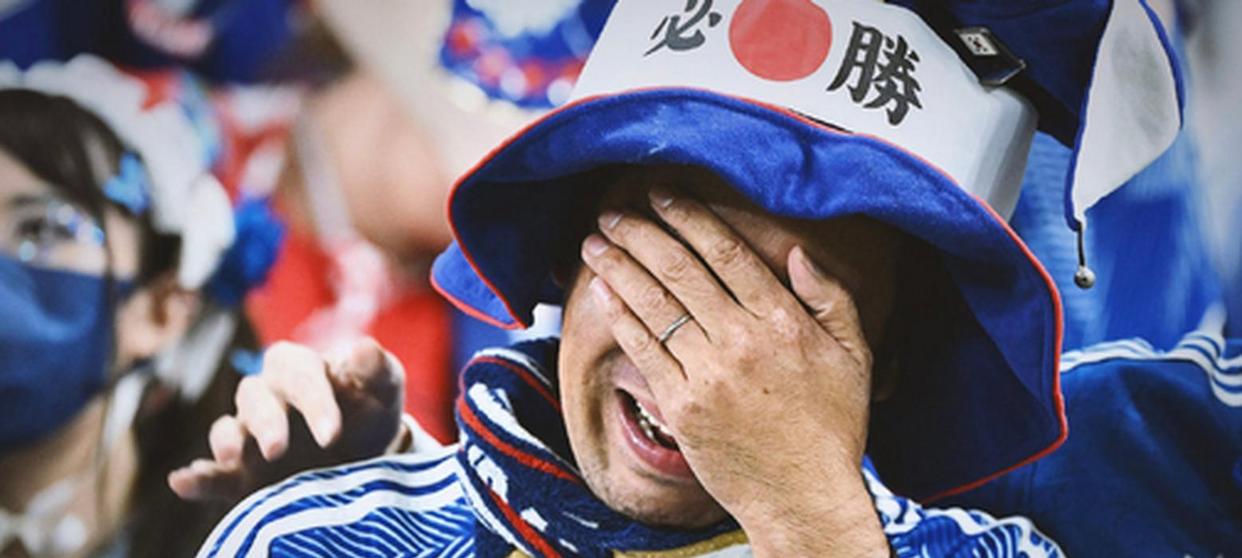
Although Indonesia's overall strength is limited, it has a huge home advantage, with the support of more than 80,000 spectators at Bung Karnul Stadium enough to change the course of the game.
The predicament facing the Japanese team is not just a matter of tactics and technique; the psychological pressure is equally immense. As a traditional powerhouse in Asian football, the Japanese team carries the expectations of the entire national football community. Every defeat is magnified, and the pressure on the players is unimaginable.
Historically, Japan's performance in World Cup qualifiers has been relatively consistent. Since the 1998 World Cup in France, Japan has never missed a World Cup final. However, this also means they face greater public pressure; failure to qualify would have disastrous consequences.
The coaching staff is also actively seeking solutions. Hajime Moriyasu has recently strengthened the team's mental fortitude and team cohesion, hiring a sports psychology expert to coach the players. Regarding the lack of offensive firepower, the coaching staff is also experimenting with different forward combinations, hoping to find the tactical approach best suited to the current players' strengths and weaknesses.
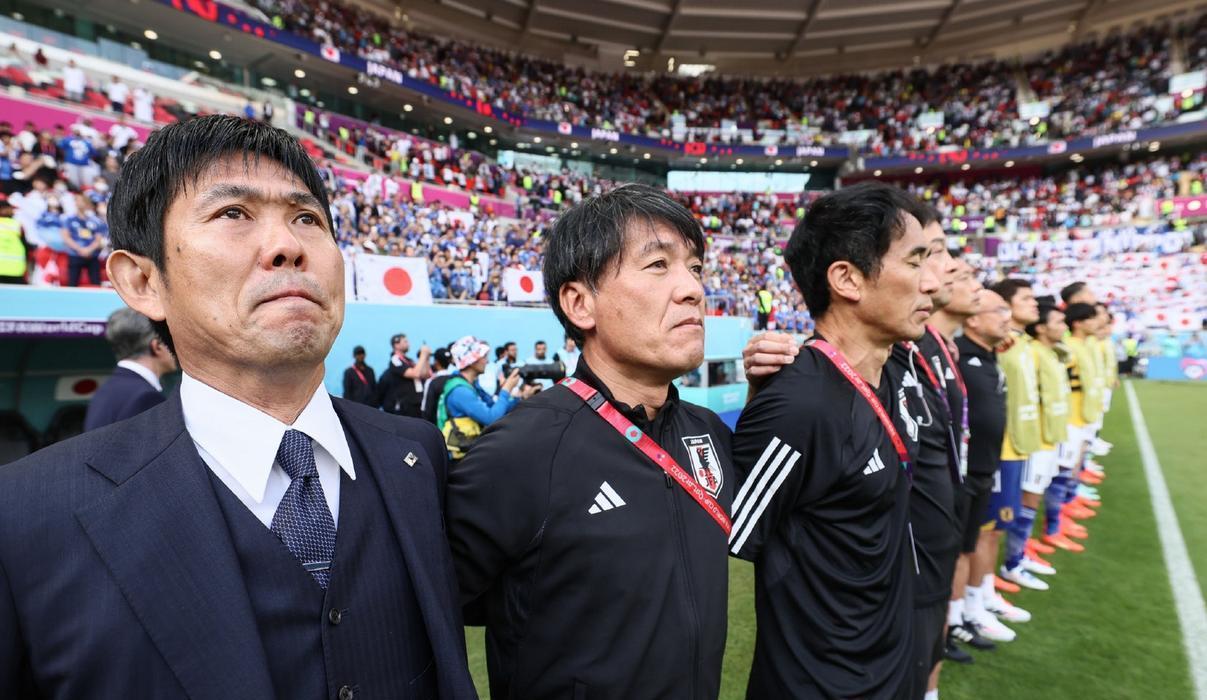
Fans' reactions were complex. On one hand, they had great confidence in the Japanese team's strength and believed they were capable of overcoming difficulties; on the other hand, seeing the team repeatedly falter in crucial matches inevitably caused doubt and anxiety. Discussions about the Japanese team on social media continued to heat up, with supporters and critics holding opposing views.
The current situation for the Japanese team is indeed not optimistic, but the charm of football lies in its unpredictability. In the remaining matches, any detail could change the final outcome. For the Japanese team, the most important thing now is to remain calm, focus on each game, and strive for the best possible result. As for whether they can successfully advance, only time and the games will tell.