The World Cup off-field storm escalates: Five players embroiled in sexual assault allegations, pushing team governance to the forefront.
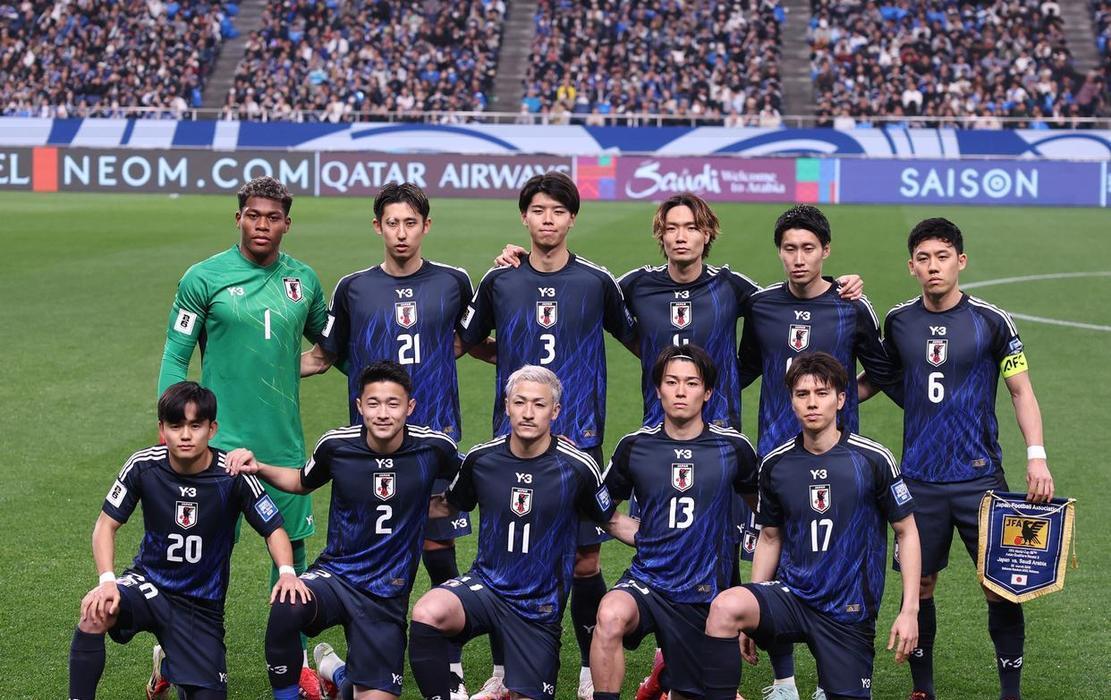
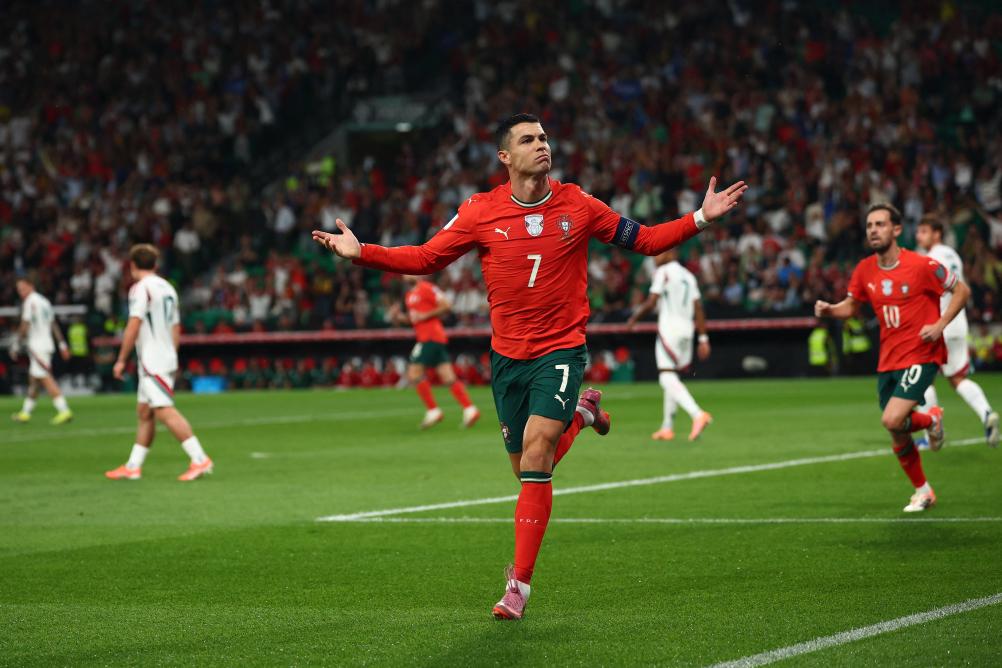
As the 2026 FIFA World Cup in the USA, Canada, and Mexico enters the knockout stage, beyond the suspense of the matches, off-field controversies involving some teams have also been thrust into the spotlight. On June 29, Red Star News published a report on Toutiao, outlining several players involved in rape or sexual assault allegations, including Cape Verde captain Ryan Mendes, Morocco captain Achraf Hakimi, Ghanaian midfielder Tomás Partey, and two Japanese internationals, Kaishu Sano and Junya Ito.
Click the image below to access OpenScore and view World Cup highlights, pre-match trends, post-match recaps, and expert analysis:
Join the official OpenScore community:
Telegram: @openscoreapp
WhatsApp: wa.me/971586321066
Line: line.me/ti/p/_GPRgudDF4
The most important thing in news reporting is to clearly state the facts: being accused, being investigated, being prosecuted, not being prosecuted, and being convicted are completely different legal stages. This article does not make a guilty verdict in any case, but only summarizes the sequence of events based on publicly available reports, and explains why these off-field events continue to escalate from the perspectives of World Cup team management, public opinion risks, and content dissemination.
1. Five disputed clues, each with a different legal status.
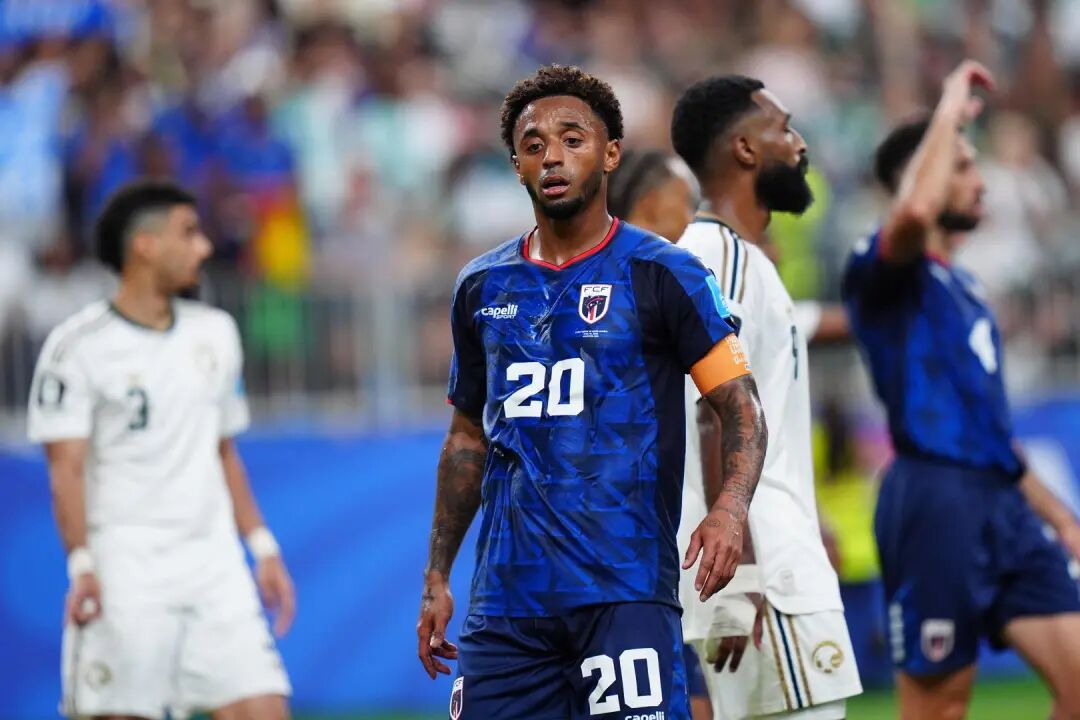
According to a report by Red Star News, the most attention-grabbing new lead concerns the case of Cape Verde captain Ryan Mendes. The report mentions that a Brazilian woman who provided translation and logistical support to the Cape Verdean team during their tournament in New Zealand has filed rape charges with New Zealand police. New Zealand police confirmed that an investigation began on April 10th, and FIFA stated that it is in contact with relevant local authorities. Due to privacy regulations and procedural limitations, the case remains pending further confirmation.
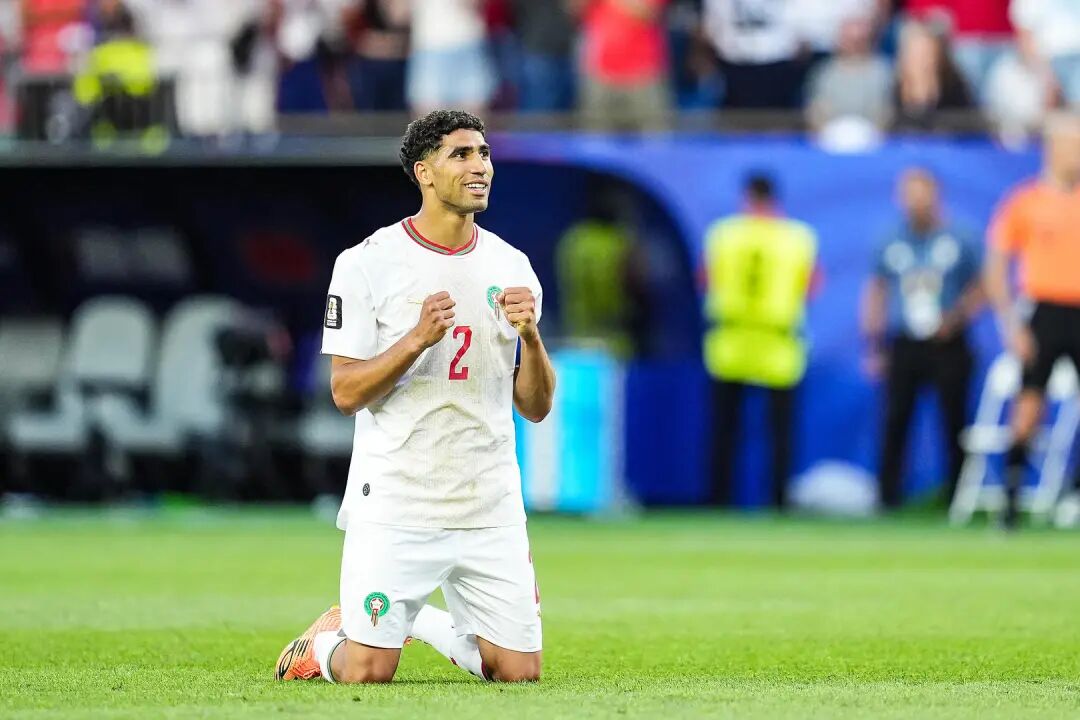
The case of Moroccan captain Ashraf Hakimi has entered another phase. Reports indicate that the Versailles Court of Appeal in France rejected his appeal on June 19th, making the alleged rape case ready for trial. Hakimi has consistently denied the allegations, and further developments await court proceedings.
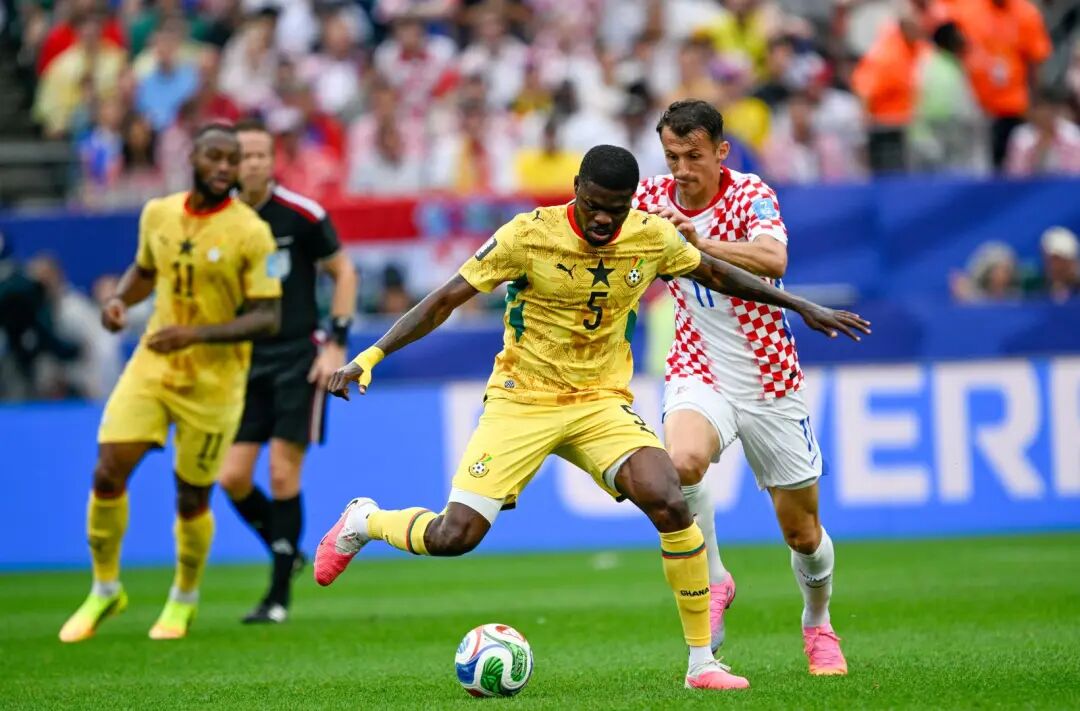
Ghanaian midfielder Thomas Partey is also embroiled in legal controversy. Reports indicate he faces multiple charges of rape and sexual assault and has formally pleaded not guilty; the case is expected to be heard in a British court. Regardless of the final outcome, these issues during the World Cup have already impacted public discourse regarding the players, national teams, and the tournament's image.
2. Key points regarding the two Japanese national team players: Not being prosecuted does not mean public opinion has been neutralized.
For the Japanese team, the cases of Kaishu Sano and Junya Ito better illustrate the difference between "legal outcome" and "public memory." Sano was arrested in 2024 on sexual assault allegations, but Japanese prosecutors later decided not to prosecute. Ito also faced controversy after two women filed reports against him; prosecutors subsequently decided not to prosecute due to insufficient evidence, while the player himself filed countersuits or civil lawsuits against the allegations.
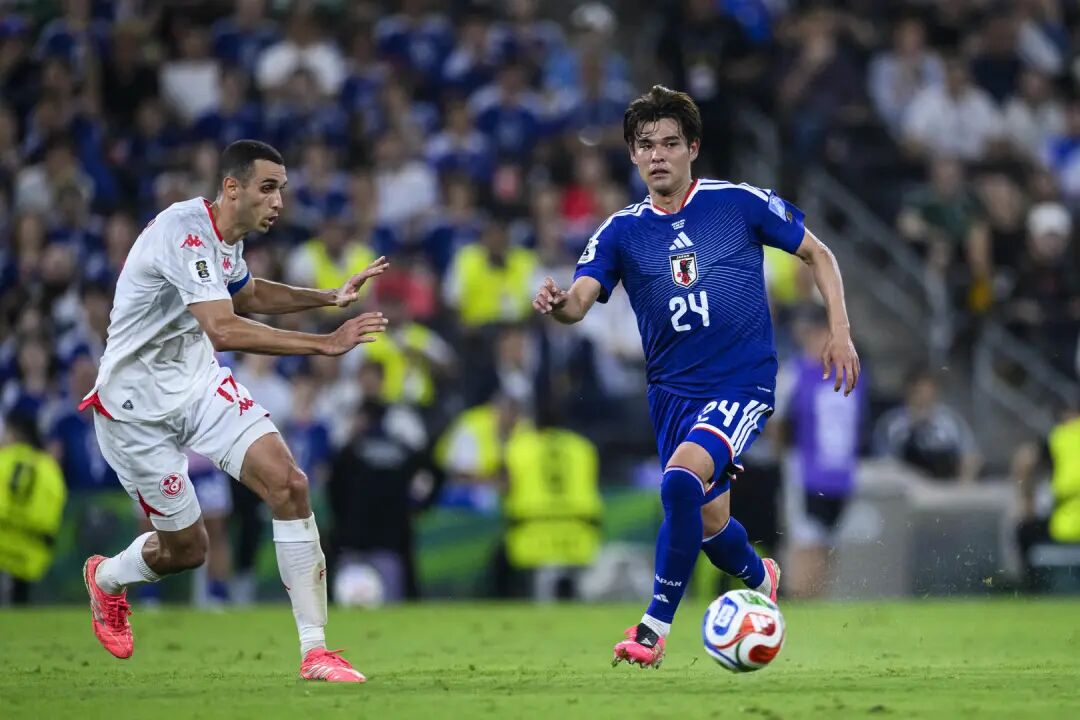
From a legal perspective, not prosecuting means the case hasn't entered a criminal trial or resulted in a conviction. However, from the perspective of national team management and public communication, the controversy won't disappear automatically. When players return to the national team and continue to represent their country, the media and fans will still ask: How does the team assess the risks? Does the Football Association have a transparent process? How do sponsors and event organizers deal with public pressure?
OpenScore's observation: The World Cup not only amplifies players' abilities but also their risks. The higher the exposure of a tournament, the more teams need to handle legal status, disciplinary rules, public relations responses, and player psychological management separately.
3. Why did these news stories suddenly break out before the knockout stage?
Once the World Cup enters the knockout stage, both viewership and the intensity of discussion surge. The actions of captains, key players, and popular national teams become amplified material on content platforms. Off-field controversies are easily focused on because they don't stem from individual cases, but rather from their simultaneous impact on three key emotions: the public's zero-tolerance policy towards sexual assault, fans' expectations of their national teams' image, and the responsibility of sports organizations for disciplinary governance.
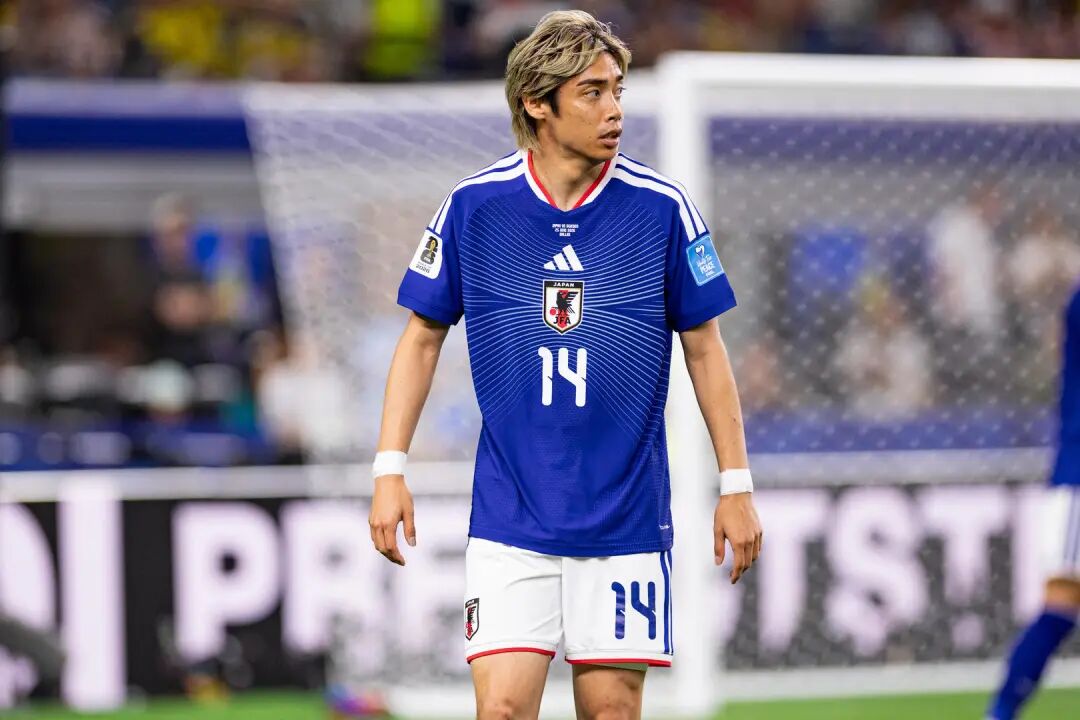
For the team, this is not just ordinary negative news. It could affect locker room stability, the focus of pre-match press conferences, sponsors' sense of security, and even the fans' emotional investment in the team. For content platforms, this type of issue is also highly viral because it places "World Cup," "star players," "legal cases," and "moral controversies" all in the same narrative.
4. OpenScore's perspective: Off-field risks can also change the level of attention given to an event.
When OpenScore creates match content and conducts pre- and post-match analysis, it doesn't just look at scores, odds, and lineups. Major off-field controversies can also alter the focus of attention on a match. It may not directly determine the number of goals, but it can influence media inquiries, player psychology, pre-match emotions, fan discussion, and pre-match buzz.
- On the competitive front: Controversy surrounding key players may alter the coach's arrangements regarding starting lineups, rotations, and press conference tactics.
- From a public opinion perspective: Once a captain-level figure gets involved in legal news, the focus of public attention will shift from game tactics to team values.
- From a business perspective: Sponsors, broadcasters, and event organizers will all be concerned about whether the risks continue to escalate.
- In terms of content: users will simultaneously track case progress, team responses, and performance in the next game, creating a longer discussion cycle.
This is why OpenScore recommends users pay attention to both "on-field" and "off-field" aspects while watching the World Cup. Whether strong teams can win is one aspect; how teams handle controversies and how players cope with public pressure is another easily underestimated aspect.
5. Key Conclusion: Indictment is not a conviction, but governance is indispensable.
The real point of this report is not simply to label all five players under the same tag and judge them, but rather to remind all parties involved in the World Cup that high-profile events require more mature disciplinary and risk communication mechanisms. Allegations of sexual assault or rape are serious matters that must respect judicial procedures, victim testimonies, police investigations, and the public's right to know.
For fans, the safest interpretation is to ensure both points hold true: First, the presumption of innocence should be upheld until the court or prosecution reaches a final conclusion; second, national teams, clubs, and event organizers cannot use "not yet convicted" as a reason to completely refrain from responding. Transparent, restrained, and accurate information disclosure is the foundation for protecting the credibility of major sporting events.